
Meet CCRG’s New Investigator Grant recipients
Critical Care Research Group (CCRG) members have achieved outstanding success in The Prince Charles Hospital Foundation's latest round of Grants and Fellowships, securing more than 20% of the awards on offer.
The result reflects the strength of CCRG's collaborative research culture and its close partnerships with clinicians and researchers across The Prince Charles Hospital and our international collaborative network, highlighting a shared commitment to advancing research that improves patient outcomes.
In the latest round of grants, CCRG members came away with five New Investigator Grants, two Emerging Researcher Grants, A Collaboration Grant, Equipment and Innovation Grants, as well as a PhD Scholarship and three-year Research Fellowship.
CCRG members receiving New Investigator Grants this year include: Francesco Baccoli (Italy), Sonal Chand (Australia/Fiji), Eden Kharrouba (France), Haruka Matsumoto (Japan) and Emilio Spinozzi (Italy).
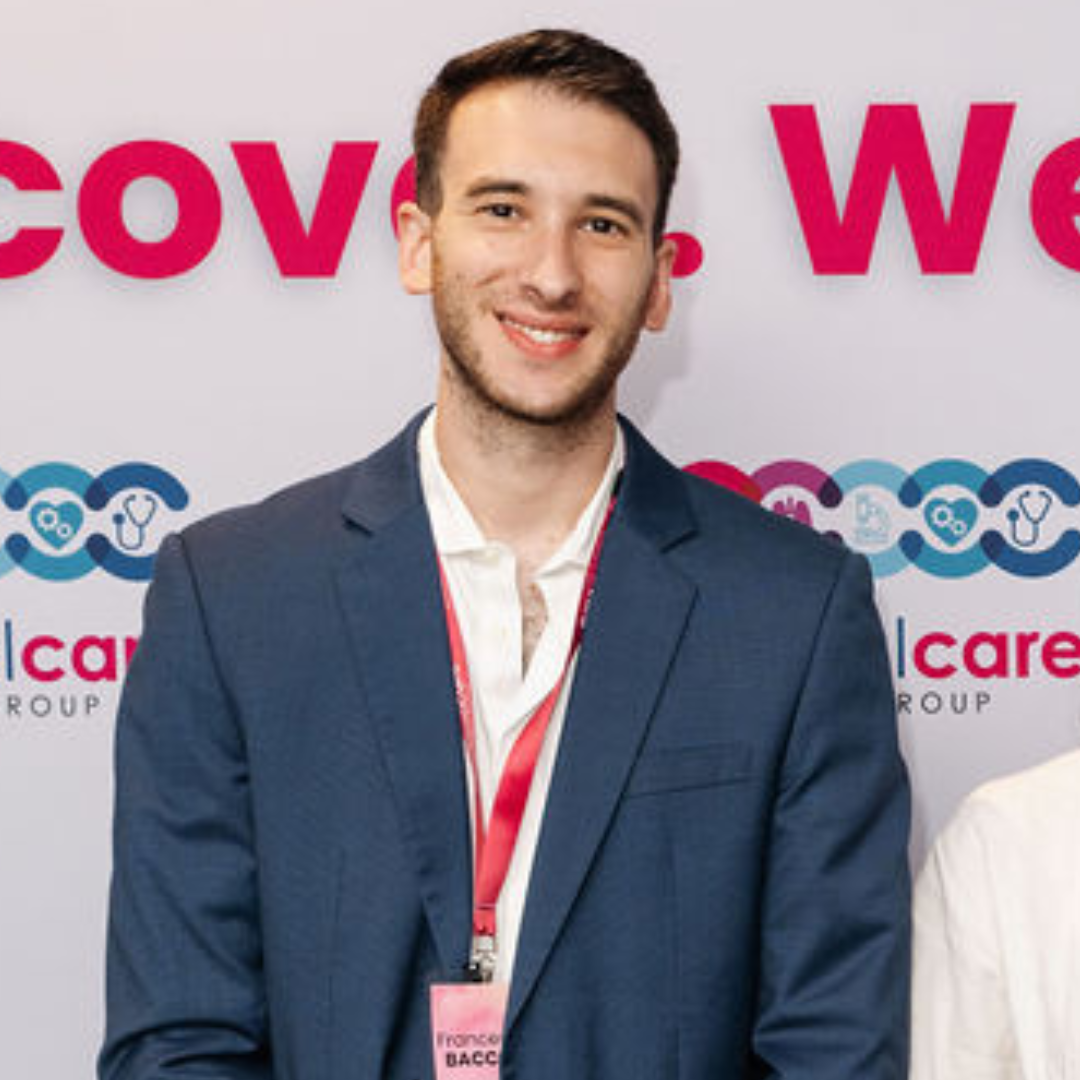
Buffered Permissive Hypercapnia in Acute Right ventriculAr failure: Pathophysiological insights from preclinical mOdels of rigHt heart failure - THE PHARAOH RIGHT VENTRICLE STUDY
Patients with acute right-sided heart failure are critically ill because the heart can no longer pump blood effectively to the rest of the body. Many require treatment in intensive care on a ventilator, but while these machines are lifesaving, the pressure they use to help patients breathe can also place extra strain on the already failing heart.
CCRG will investigate a gentler approach to mechanical ventilation that could better protect both the heart and lungs. Early laboratory findings suggest lower ventilation pressures, combined with a treatment to correct acid-base imbalances in blood, may improve heart function and ultimately help more patients survive and recover from this devastating condition.
The research aims to identify a safer way to use mechanical ventilation, giving critically ill patients the best possible chance of recovery while reducing further damage to the heart and lungs.
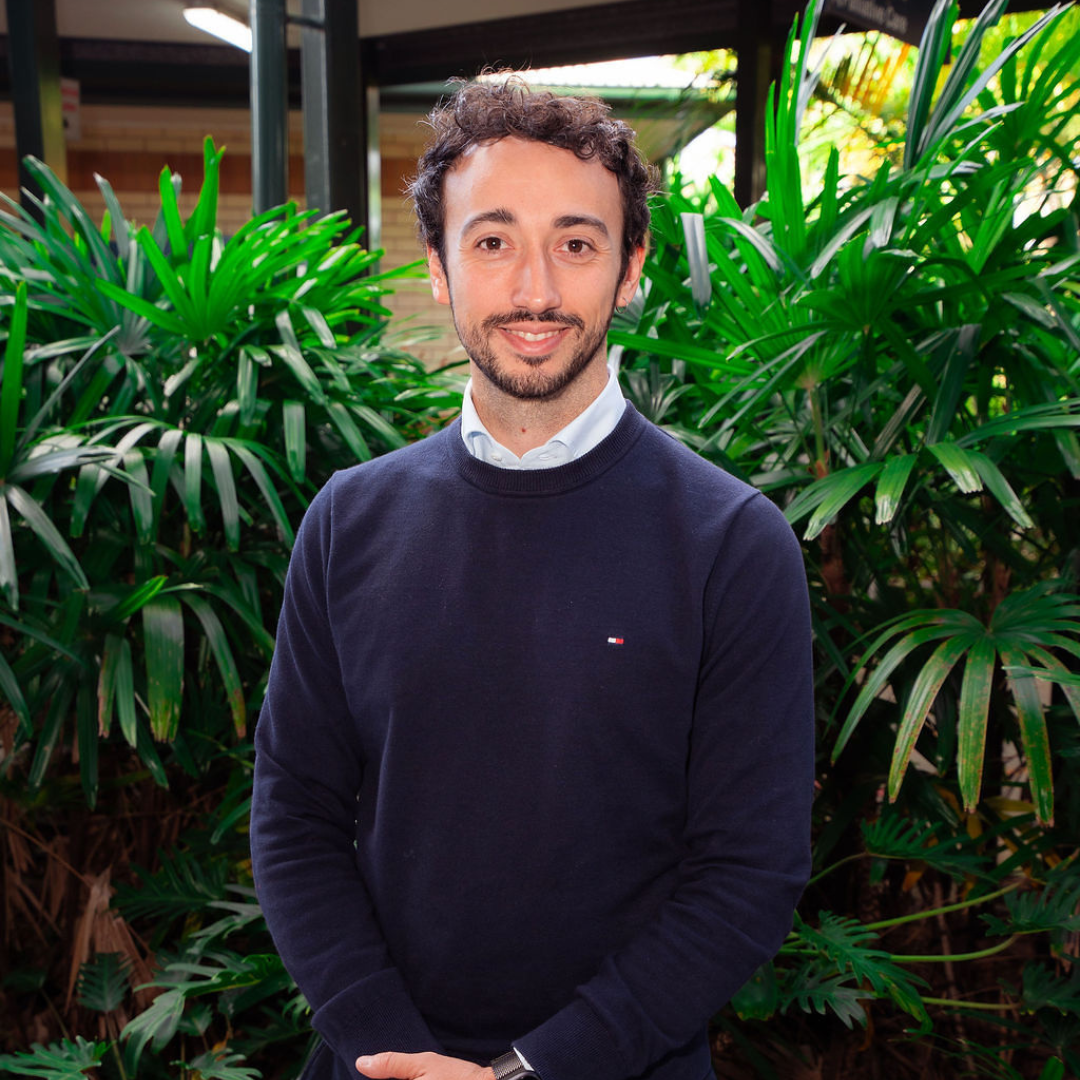
Pictured: CCRG International Research Fellow, Dr Francesco Baccoli
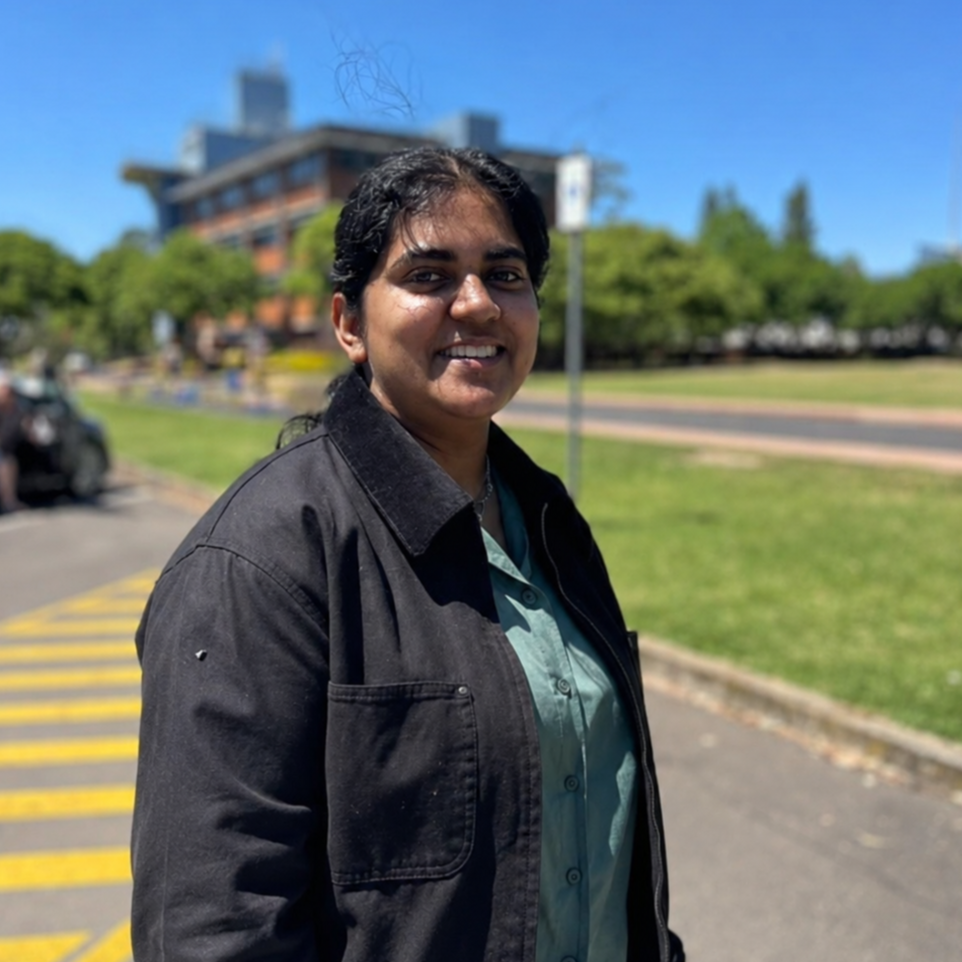
Optimisation of Benchtop Contracting Ventricle with Rotary Moulder
Heart failure is the world’s greatest killer, and new technologies are needed to help weak hearts pump more effectively. A new project led by New Investigator, Ms Sonal Chand is developing a small, portable device designed to assist the heart’s pumping action and prevent or treat heart failure.
Ms Chand, who joined CCRG after a work placement sparked her interest in biomedical engineering, will test the new device using a realistic silicone model of a diseased heart ventricle to safely study if it improves heart contraction. Unlike current testing systems that are often large and complex, this approach provides a more practical way to refine the technology.
"Developing new heart support technologies starts with understanding how they will work in the real world. By creating a realistic model of a failing heart, we can improve the design, test performance and move closer to solutions that could make a meaningful difference for patients living with heart failure.
“The team at CCRG are incredibly supportive, always willing to help with questions about my project, while also encouraging me to consider future opportunities in research, including applying for this grant. That combination of practical engineering experience, clinical relevance and supportive mentorship made CCRG a natural place for me to continue developing this project,” said Ms Chand.
Cycle of Giving New Investigator Grant: Investigating the benefits of a next-generation Extracorporeal Membrane Oxygenation (ECMO) technology.
Each year, one New Investigator is chosen to receive specific funding raised for The Prince Charles Hospital Foundation by the Cycle of Giving.
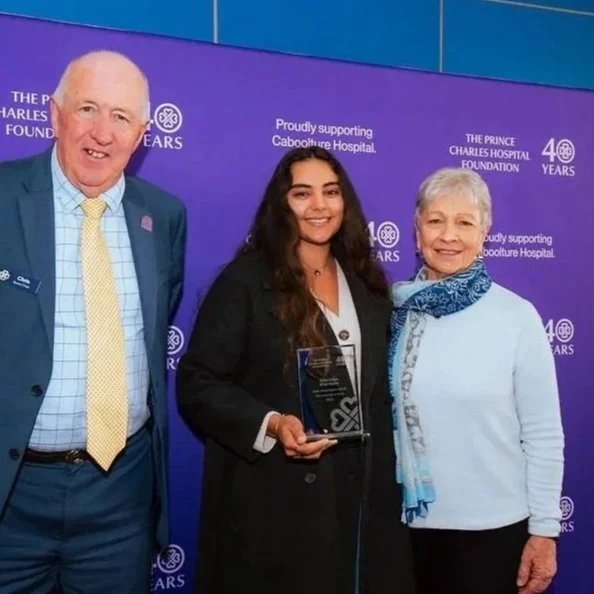
In 2026, the Cycle of Giving Grant was awarded to CCRG PhD candidate, Eden Kharrouba, who is working to reduce complications and improve outcomes for patients supported by extracorporeal membrane oxygenation (ECMO). ECMO is an advanced life support therapy that temporarily takes on the roles of the heart and lungs. This new project forms the basis of Ms Kharrouba’s PhD and will compare a novel ECMO system with the current standard of ECMO plus intra-aortic balloon pump, to greater understand cardiac workload.
“We are developing novel pulsatile technology to improve the survival of critically ill patients by reducing some of the life-threatening complications associated with conventional ECMO support. By comparing this new pulsatile ECMO technology with conventional ECMO, we hope to generate the evidence needed to support its clinical translation so that more patients can ultimately benefit from it and recover.
“This award is also especially meaningful to me as an early-career researcher, as it is the first research grant I have received. Beyond the financial support, this recognition gives me the confidence and momentum to pursue further funding and undertake new projects aimed at improving outcomes for critically ill patients,” said Ms Kharrouba.
Pictured: Mr Christopher Morton, The Prince Charles Hospital Foundation Board Chair; Ms Eden Kharrouba, CCRG PhD Candidate and 2026 Recipient, Cycle of Giving New Investigator Grant; Mrs Mary Long, Founder, Cycle of Giving.
Hydrogen ECPR: Novel Brain Protection Therapy for Cardiac Arrest Survivors
Thousands of people suffer cardiac arrests each year, and while ECMO can help restart circulation and save lives, many survivors are left with serious brain injuries caused when blood flow returns to the oxygen-starved brain.
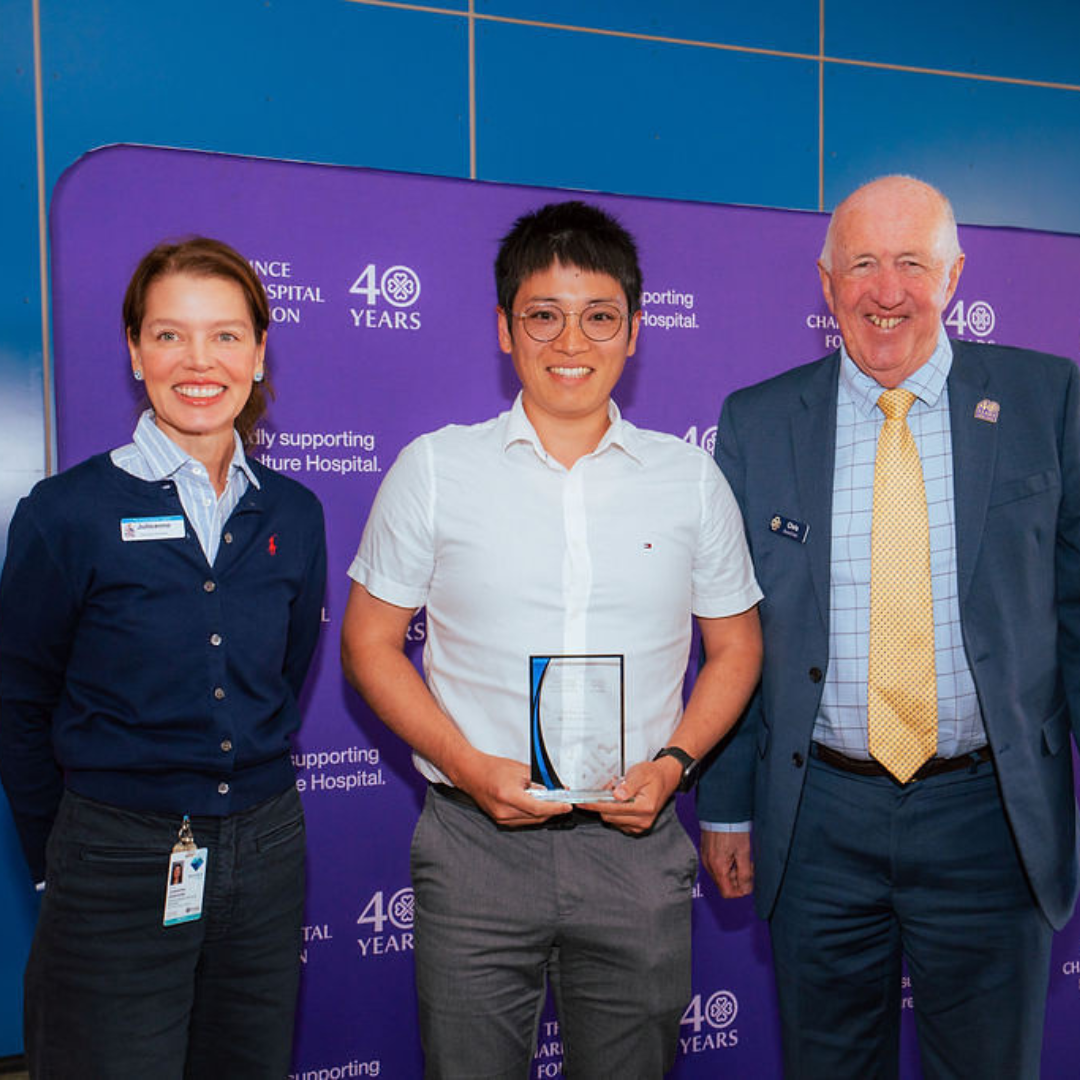
Using his New Investigate Grant, Dr Haruka Matsumoto will examine whether hydrogen gas can help protect brain cells during this critical period. This project will test a new "dual-delivery" approach, providing hydrogen through both the ventilator and ECMO machine to maximise brain protection and improve recovery.
"Saving a life after cardiac arrest is only the beginning. We want survivors to have the best possible chance of returning to their families and living independently,” said Dr Matsumoto.
“The clinical need for an effective brain protection strategy has never been more urgent. At the same time, our highly specialized large-animal ECPR experimental model is currently in the final stages of development. With this robust foundation nearly complete, this is the perfect moment to test this novel dual-delivery approach, bringing us one step closer to improving the long-term quality of life for our patients.
“CCRG is uniquely positioned to tackle these complex critical care challenges. It is one of the few research facilities in the world with the advanced infrastructure and deep expertise required to conduct research with highly specialised preclinical models of ECPR and ECMO. Beyond the facilities, research of this scale requires a truly multidisciplinary approach, which we have in spades at CCRG.”
Pictured: Ms Julieanne Graham, Acting Executive Director, The Prince Charles Hospital; Dr Haruka Matsumoto, CCRG International Research Fellow; Mr Chris Morton, The Prince Charles Hospital Foundation Board Chair.
Preserving Renal Resilience in Respiratory Failure: Evaluating the Safety Profile of Inhaled Nitric Oxide across different ARDS subphenotypes
Acute Respiratory Distress Syndrome (ARDS) is a life-threatening lung condition with a high mortality rate. At The Prince Charles Hospital, inhaled nitric oxide (iNO) is used to help some of the sickest patients breathe, but it may also increase the risk of kidney injury.
CCRG is investigating why this occurs by analysing kidney samples from sheep with ARDS, looking for patterns that explain which patients may be most vulnerable. The goal is to develop more personalised treatments that maximise the benefits of iNO while reducing harmful side effects.
"Our aim is to understand why some patients benefit from this treatment while others experience complications. By identifying these differences, we can move closer to personalised care that gives critically ill patients the best chance of recovery,” said Dr Emilio Spinozzi, who will led the project.
“CCRG offers the ideal environment to do research. Here, I have found state-of-the-art technology, high quality facilities and more than anything, some of the most brilliant and passionate minds, clinicians, scientists and engineers. All directed to the same ultimate goal. Finding new solutions to critical issues that affect countless patients worldwide.”
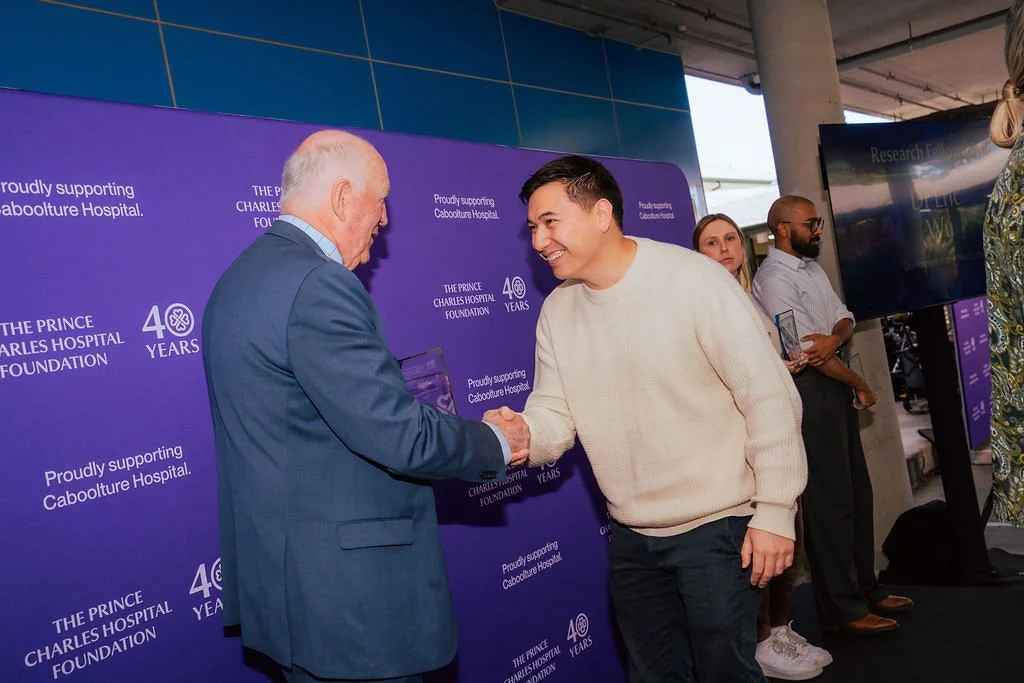
Research Fellowship: Developing the next-generation Artificial Lung
With his Research Fellowship from The Prince Charles Hospital, CCRG Lead Engineer Dr Eric Wu is developing a next-generation Artificial Lung that could help transform treatment of people living with life-threatening lung disease.
“By creating a more durable and patient-centred Artificial Lung, we hope to reduce complications associated with current therapies, enable patients to remain active for longer, and ultimately improve outcomes for people awaiting lung transplantation or living with advanced lung disease.”