
CCRG’s ICU of the Future goes global
CCRG’s world-first healthcare initiative, The ICU of the Future, is transforming the way intensive care is delivered, shifting the focus beyond survival to long-term patient recovery and wellbeing.
Developed by Professor John Fraser AO and Dr Oystein Tronstad, the project represents next-generation healthcare as it expands across Australia and internationally with St Andrew’s War Memorial Hospital, Brisbane, Gold Coast University Hospital (GCUH) and South Korea’s Hallym University Sacred Heart Hospital announcing they are adopting variations of the initiative.
"Each year, an estimated 15–20 million patients are admitted to intensive care units (ICUs) worldwide. While survival has traditionally been the benchmark of success, growing evidence shows many patients leave ICU with devasting complications” explains CCRG Director Professor John Fraser AO, who is ICU Director at Brisbane's St Andrew's War Memorial Hospital.
“Up to 80% of ICU patients experience ongoing physical, cognitive or psychological challenges following discharge, with many cases linked to environmental factors within ICU settings.”
Project Manager and Clinical Research Lead for CCRG, Dr Oystein Tronstad said the project addresses these challenges head-on by reimagining the ICU environment.
“ICU patients frequently endure delirium, sleep deprivation, and sensory overload during their stay, issues increasingly recognised as preventable.
“By targeting modifiable factors such as noise, lighting, acoustics, and exposure to nature, the initiative aims to reduce delirium, improve sleep quality, and support better long-term recovery outcomes.”
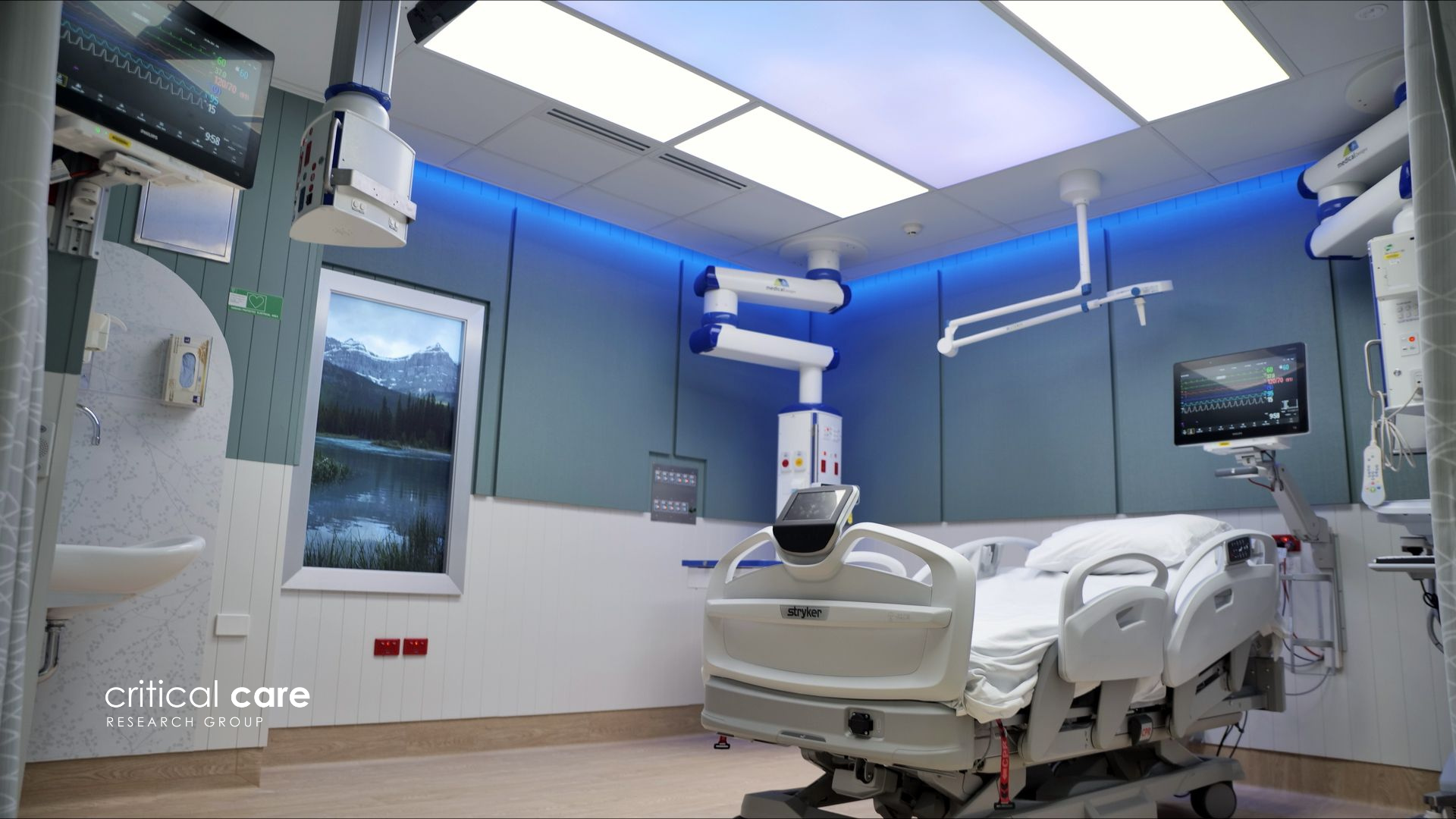
ICU of the Future bedspaces at The Prince Charles Hospital, Brisbane

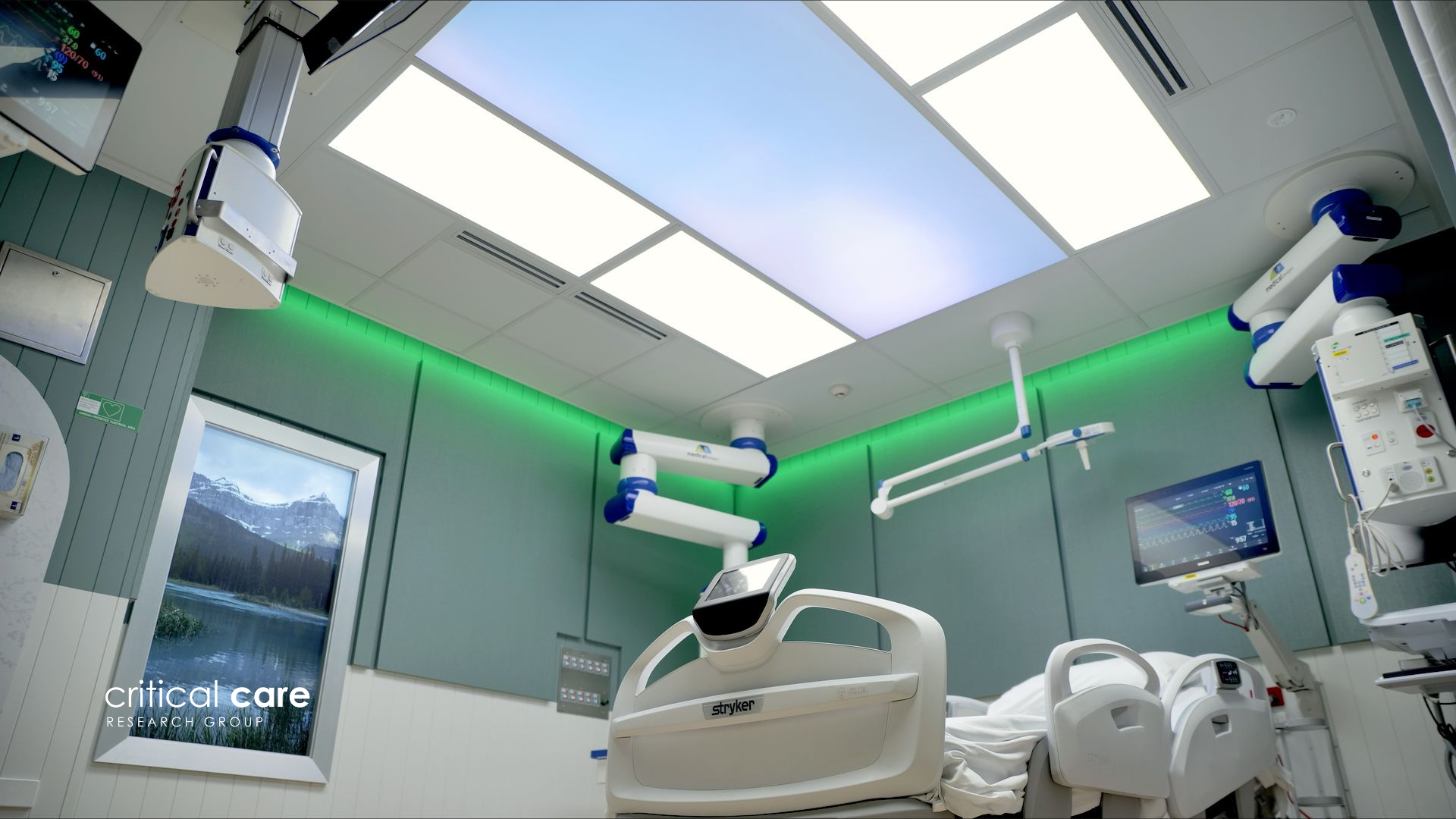
Since its launch in December 2022 at The Prince Charles Hospital in Brisbane, more than 300 patients have been treated in the ICU of the Future bedspaces. Early findings indicate the bedspaces are quieter and calmer with an 80% reduction in monitor alarms, significantly improved noise absorption and blocking, and artificial light closely mimicking daylight.
“These changes are helping to create more restorative environments for critically ill patients – an essential factor in reducing stress, improving sleep and enhancing recovery,” said Dr Tronstad.
Clinicians and researchers involved in the initiative emphasise that the projects represents a fundamental shift in how success in intensive care is defined.
“For decades, survival has been our primary metric. With the ICU of the Future, we are challenging that paradigm by recognising the environment as an integral part of the treatment and care we offer patients. While we can’t control how sick someone is, we can focus on how well they recover. The question becomes: what more can we do to improve that journey – so patients don’t just survive a stay in ICU, but thrive afterwards,” said Professor Fraser.
With ongoing data collection and long-term patient follow-up underway, the ICU of the Future is expected to further strengthen the evidence base for environmental interventions in critical care. Following a significant private gift to build three new bedspaces at UnitingCare’s St Andrew’s War Memorial Hospital, the initiative is expanding across Queensland, with growing interest from healthcare systems internationally. Its scalable model offers a blueprint for hospitals worldwide seeking to deliver patient-centred care focused on strong, healthier recoveries and improved long-term outcomes.
“We believe that the ICU of the Future model represents the direction that ICUs around the world should pursue. We will be establishing this model at Korea’s Hallym University Sacred Heart Hospital in the future and to do so will continue this essential collaboration with Australia via the Critical Care Research Group”, said Professor Hyoung Soo Kim, Hospital Director.
As the ICU of the Future continues to evolve, Queensland stands at the forefront of a global movement to redesign intensive care – not just to save lives, but to ensure patients can truly recover and thrive.
The ICU of the Future is an initiative of the Critical Care Research Group headquartered at The Prince Charles Hospital. The development of the first two bedspaces was supported by The Prince Charles Hospital Foundation.
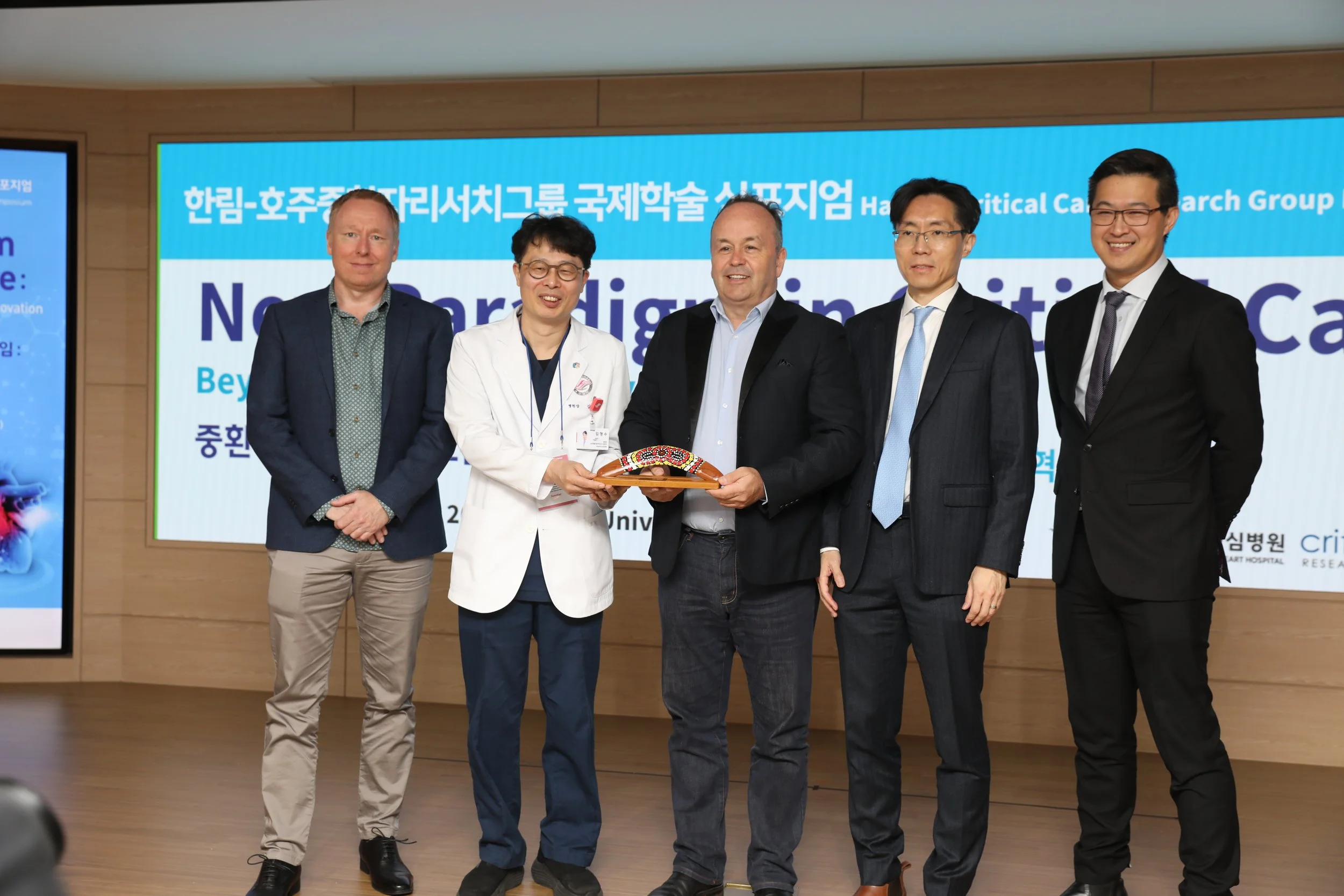
CCRG team in South Korea: Oystein Tronstad, Clinical Research Lead and Project Manager, ICU of the Future; Professor Hyoung Soo Kim, Director, Hallym University Sacred Heart Hospital; Professor John Fraser AO, Director, Critical Care Research Group; Professor Sunghoon Park, Head of Department, Critical Care Medicine, Hallym University Sacred Heart Hospital; CCRG Lead Scientist A/Professor Jacky Suen.
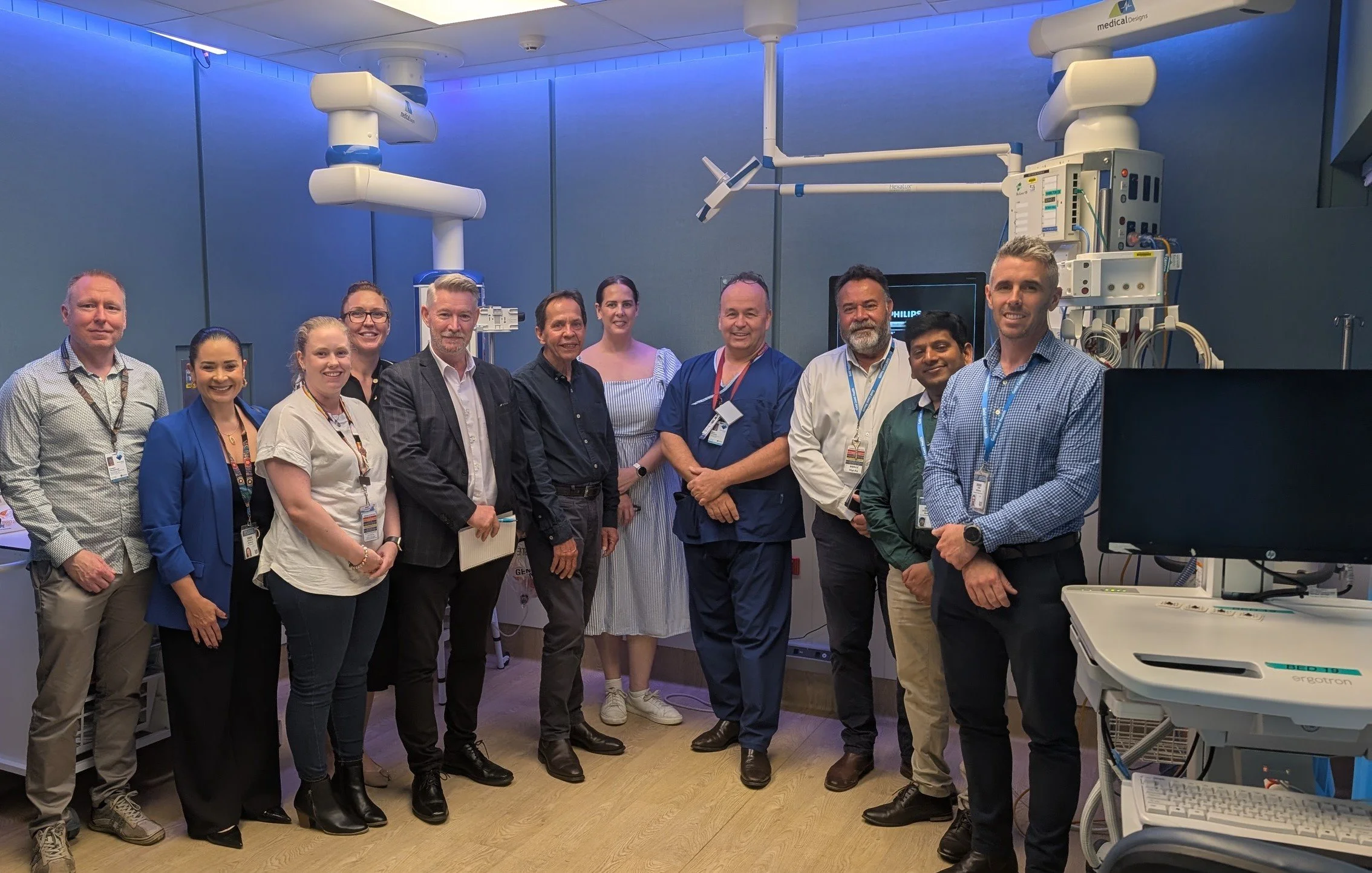
Teams for the CCRG and GCUH visit the ICU of the Future at The Prince Charles Hospital: Oystein Tronstad, Clinical Research Lead, CCRG; Angelly Martinez, ICU Deputy Medical Director, GCUH; Jaime Weekes, GCUH ICU Clinical Support; Danielle Haden, ICU A/Nurse Unit Manager, GCUH; Russell Ousley, GCH Foundation CEO; Paul Mjatelski, GCUH Architect Consultant; Hannah Marrinan, CCRG Manager; John Fraser AO, Director, CCRG; Joe Hanlon, GCH Foundation COO; Udayender Baddam, GCUH Senior Infrastructure Project Manager; Sam Williams, Manager of Capital Works, GCUH.

Past patient of the ICU of the Future, Sara, pictured with her mum Pavlina, says of the bedspaces “I remember this space made me feel comfortable enough that I didn’t fully realise how bad my condition was. I didn’t fall into delirium. I could sleep. It genuinely did help.” Image courtesy: The Courier-Mail