
Post-Doctoral Research Fellow’s Biomimicry-driven approach to preclinical research
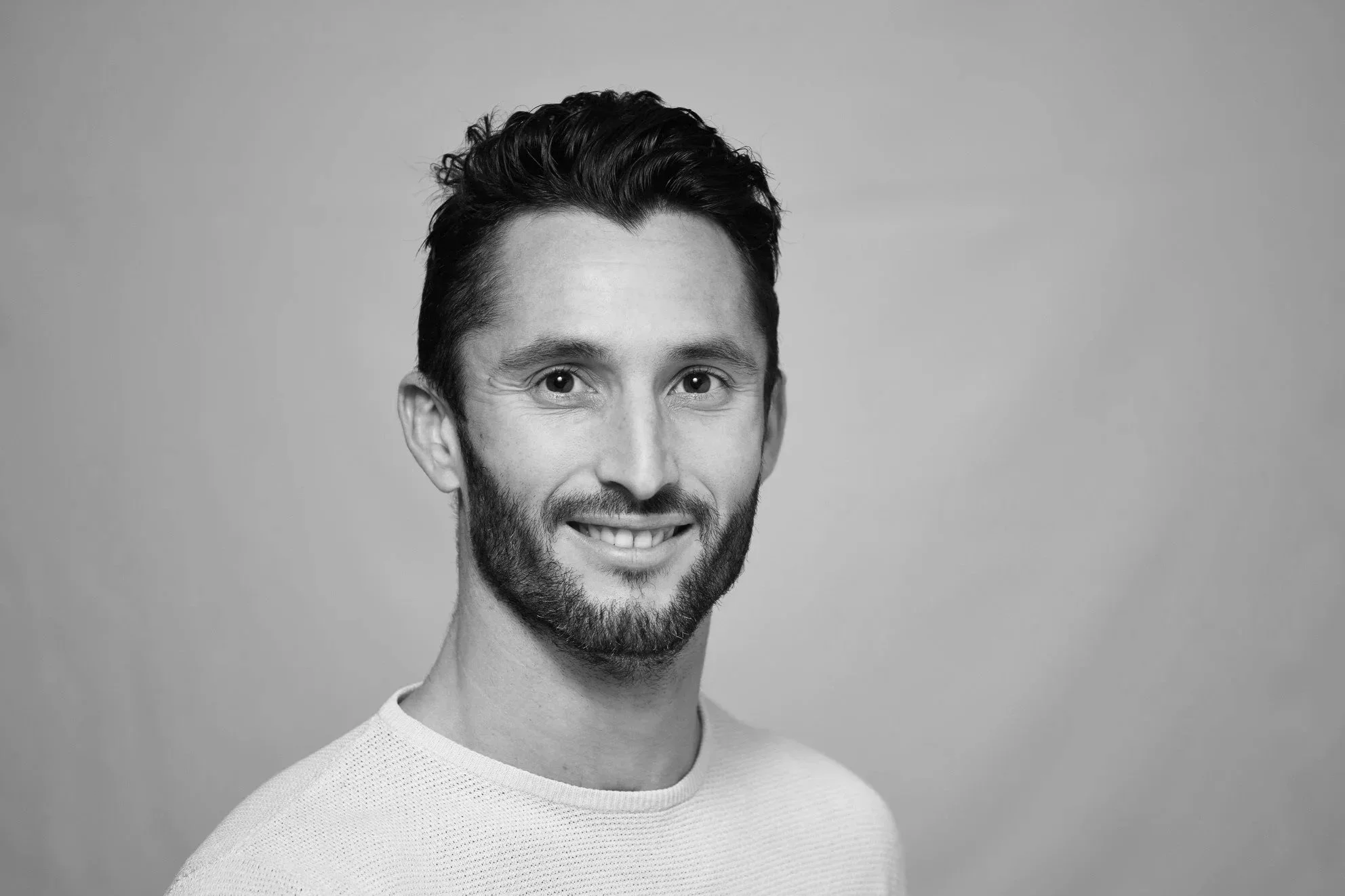
For Post-Doctoral Research Fellow Jules Devaux, his interest in biomimicry (learning from nature to solve human problems) began during his Masters of Science - Physiology at University of Western Brittany, France.
“During my Masters, I focused my research on mitochondria, the ‘powerhouse of the cell’ and conductor of cellular metabolism for the whole animal kingdom, including humans.”
“I studied and learned from anoxia-tolerant sharks and other species adapted to extreme environments, that are in fact similar to human pathological conditions or clinical interventions such as transplantation.”
“These animals are the gateway to developing solutions to support patient outcomes,” Jules explains.
Later, Jules completed his PhD at the University of Auckland, studying how living organisms adapt to low-oxygen environments. His research looked at these adaptations at multiple levels - from the whole animal, to the brain to the mitochondria, using the relevant model of a New Zealand Triplefin fish.
Working within CCRG’s PRIMELab and STARLab, Jules reflects, “I discovered CCRG when they were seeking a mitochondrial expert with experience in clinical research, and after joining the group I realised just how impactful and advanced we are in terms of translational research and application.”
Jules brings a unique combination of comparative physiology, mitochondrial bioenergetics, and basic science expertise to the labs, bridging biology and research translation to leverage naturally-evolved solutions to inform human health.
“I’m working closely with my long-term friend and colleague Dr Alice Harford, who leads CCRG’s The Living Heart Project. My primary role has been to design protocols that ensure mitochondrial viability and robust functional assessment during these procedures.
“This area of research is becoming increasingly important because mitochondrial failure is a central driver of organ injury and poor recovery in critical care and transplantation, yet it remains difficult to detect and treat.”
“During events such as cardiac arrest and organ transplantation, cells may appear structurally intact while their mitochondria are already irreversibly compromised, leading to delayed graft failure or poor patient outcomes.”
“By focusing on mitochondrial function rather than downstream injury markers, we are aiming to identify early indicators of organ viability and develop strategies to actively restore mitochondrial performance. This includes defining bioenergetic thresholds that predict whether an organ can recover, improving preservation and perfusion strategies, and optimising mitochondrial transplantation as a novel therapeutic approach.”
“The potential outcomes for patients are significant. This work could increase the number of transplantable organs, reduce organ discard, and improve short- and long-term graft function.”
“One of the greatest challenges in critical care research is the translation of bench-based discoveries into meaningful clinical applications. This process is complex, slow, and requires close integration between fundamental science, clinicians, and engineers.
“This is where CCRG’s multidisciplinary team really comes into its own. The group is particularly effective at addressing this challenge by creating an environment with interdisciplinary collaboration and I feel fortunate to be able to contribute my ideas.”
“Over the next five years, I expect to see increasing translation of bio-inspired mitochondrial strategies into critical care and transplantation. This includes learning from anoxia-tolerant species, such as sharks, to mitigate ischaemia–reperfusion injury during organ transplantation and stroke, and drawing inspiration from freeze-tolerant animals to improve tissue preservation and metabolic protection.”
“Likewise, extreme-performance models, such as bumblebees, provide insights into how physiology can be safely pushed to its limits.”
“Harnessing the remarkable diversity of mitochondrial adaptations across species will be key to driving meaningful advances in patient care.”